

As the "dual carbon" goals (peaking carbon emissions and achieving carbon neutrality) gain momentum and the concept of sustainable development takes deeper root, an innovative material derived from agricultural waste is quietly transforming the landscape of the papermaking industry. By repurposing sugarcane residue—material that would otherwise be burned or sent to a landfill—this process turns waste into a valuable resource, creating high-quality paper for writing and packaging. So, what is this paper made from sugarcane residue called? It is known as "sugarcane bagasse paper"—a term that also encompasses names like "bagasse paper," "sugarcane fiber paper," or "bio-based recycled paper."
Far from being a mere substitute for traditional wood-pulp paper, this product is crafted primarily from the fibrous residue left over after sugarcane is crushed for sugar extraction (known as "bagasse"). It is produced through eco-friendly processes—including deinking, cooking, pulping, and papermaking. The fiber length of this material falls between that of wood pulp and bamboo pulp, resulting in paper that offers excellent stiffness, superior ink absorption, and high biodegradability. Furthermore, its production process consumes approximately 50% less water and over 30% less energy compared to the manufacturing of wood-pulp paper.
While sugarcane-bagasse-based paper goes by various common names, its formal designation under national standards and industry specifications is "sugarcane-pulp paper." When purchasing items such as food packaging cartons, notebooks, coffee cup liners, tea packaging boxes, or premium business cards, consumers can identify genuine sugarcane-pulp paper by looking for labels such as "100% sugarcane-bagasse fiber" or "FSC®-certified sugarcane-pulp-based material."
It is worth noting that the question "What is paper made from sugarcane bagasse called?" actually reflects a deepening public awareness of the circular economy. In the past, sugarcane bagasse was primarily used as boiler fuel or as a filler in animal feed—applications with very low added value. Today, thanks to breakthroughs in biological enzyme pre-treatment and low-temperature mechanical pulping, the fiber yield from sugarcane bagasse has increased to over 68%, with the resulting paper achieving a tensile strength that meets the ISO 9706 standard for archival-grade paper. Large-scale production bases for bagasse-based paper have already been established in regions including Brazil, Thailand, and China’s Guangxi and Yunnan provinces. In 2023, my country’s production of sugarcane bagasse paper surpassed 420,000 tonnes, accounting for 31.6% of the country’s total output of non-wood pulp paper.
So, the next time you encounter a sheet of paper with a soft, creamy-white luster and a texture that carries the subtle, resilient quality of plant fibers, remember: it is very likely made from sugarcane bagasse. Known as "sugarcane pulp paper," it represents a green solution that bridges agricultural wisdom, industrial innovation, and ecological conscience.
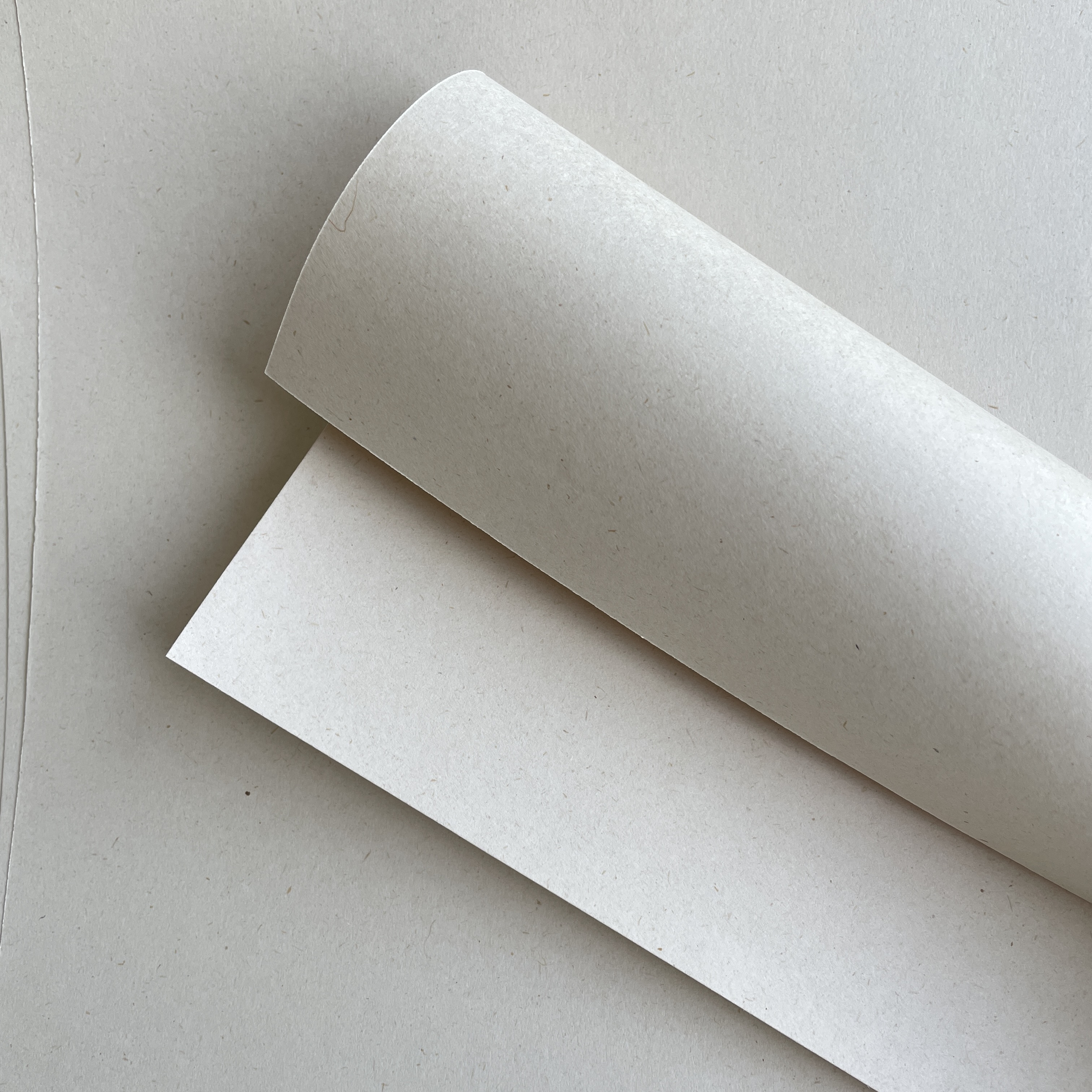
If you interested in sugarcane bagase paper, welcome to contact us.
Post time: Oct-22-2026