

Sugarcane Based Paper - China Manufacturers, Factory, Suppliers
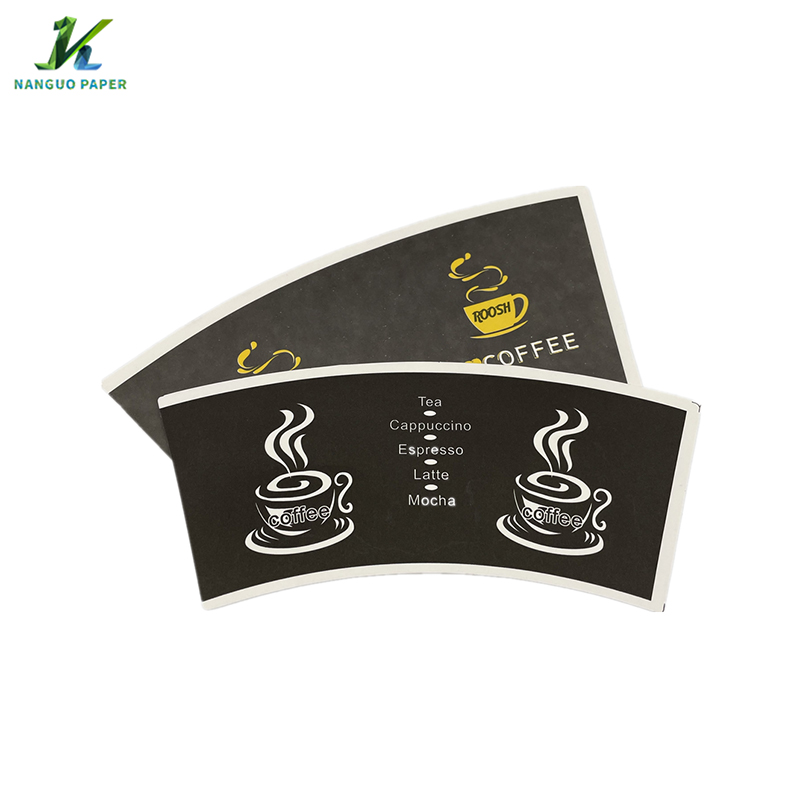
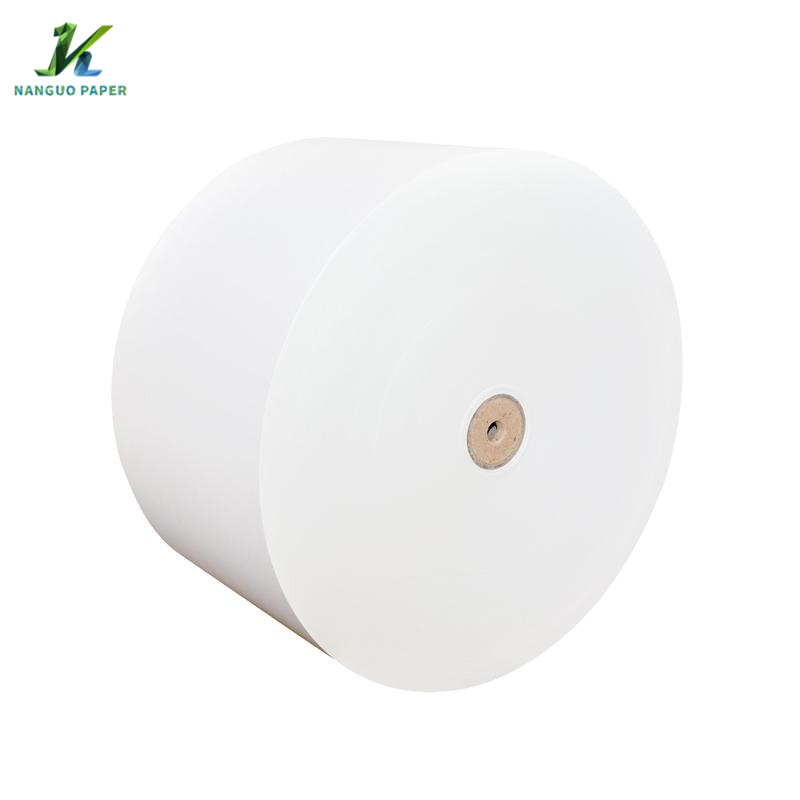
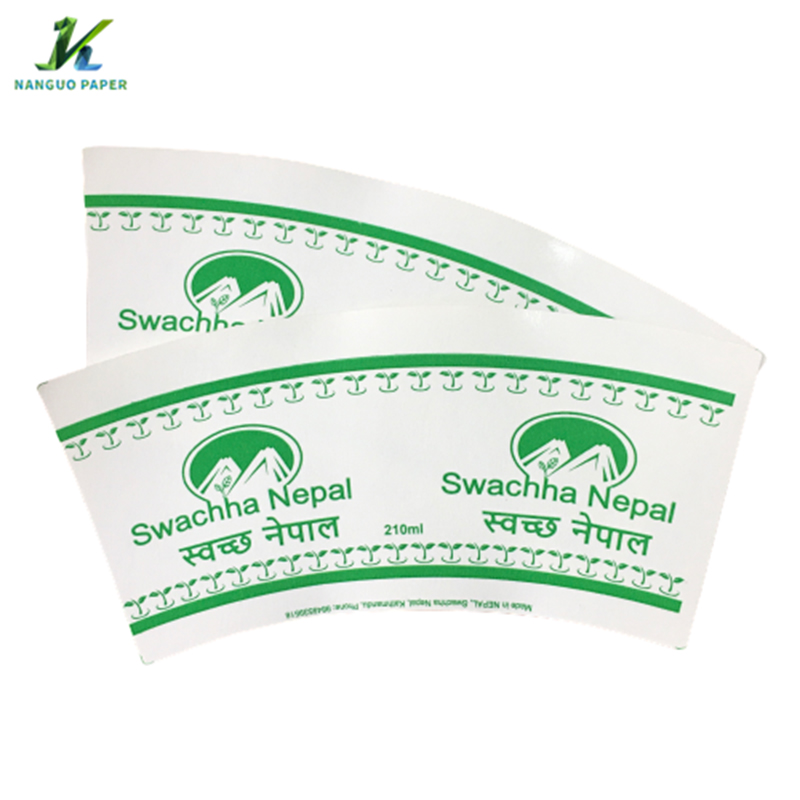
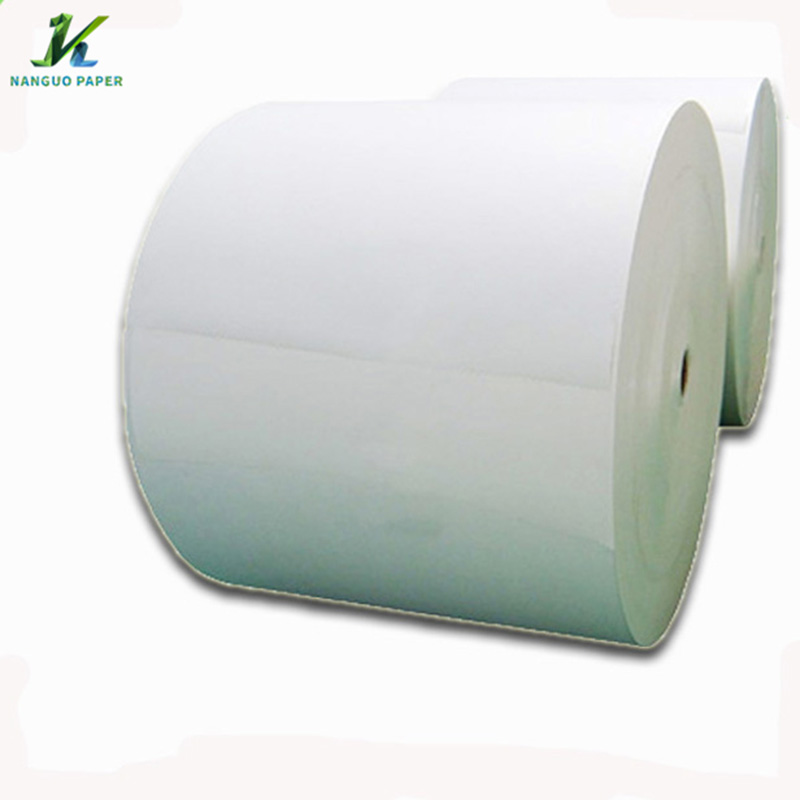
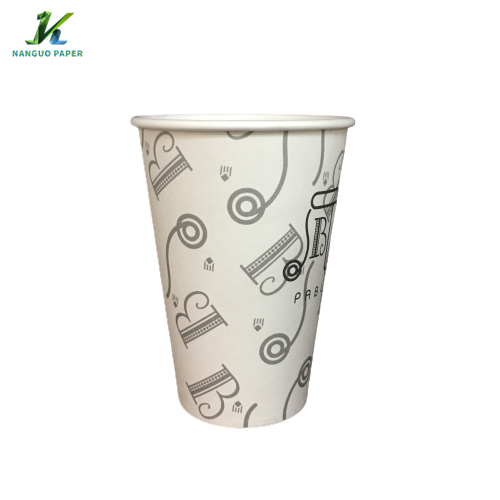
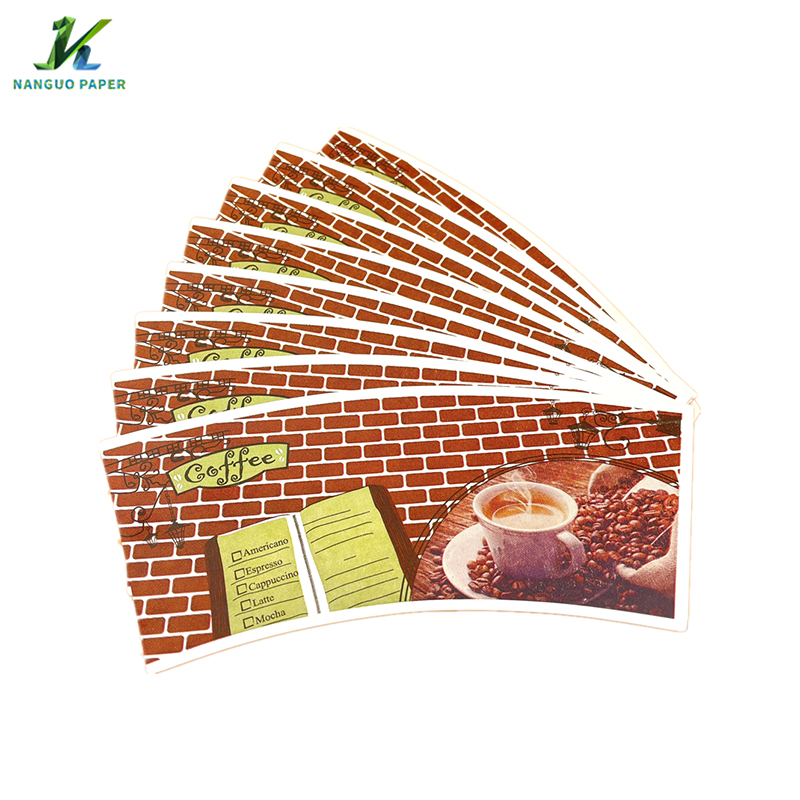
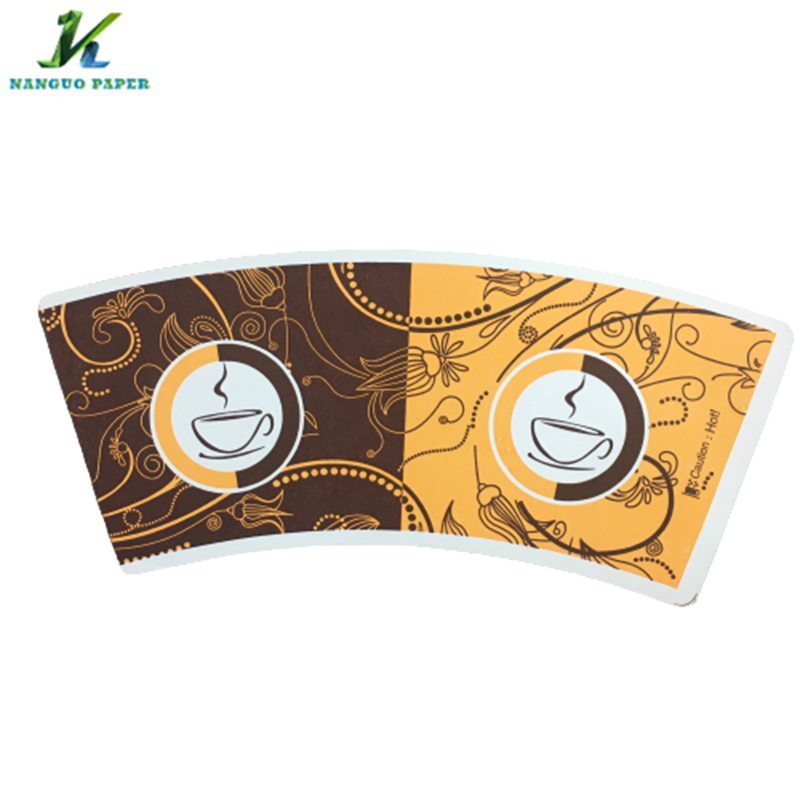
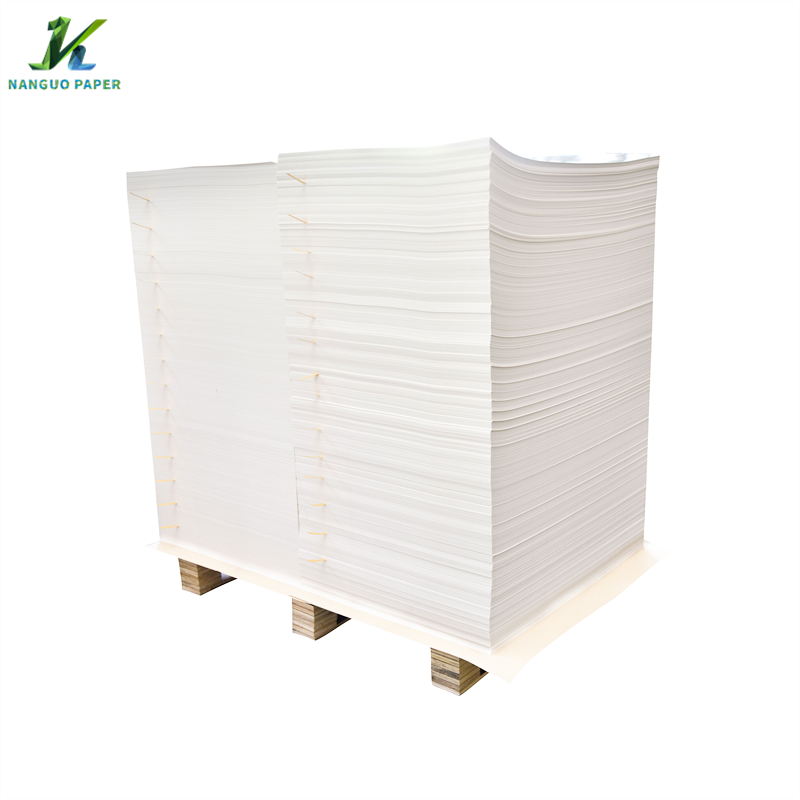
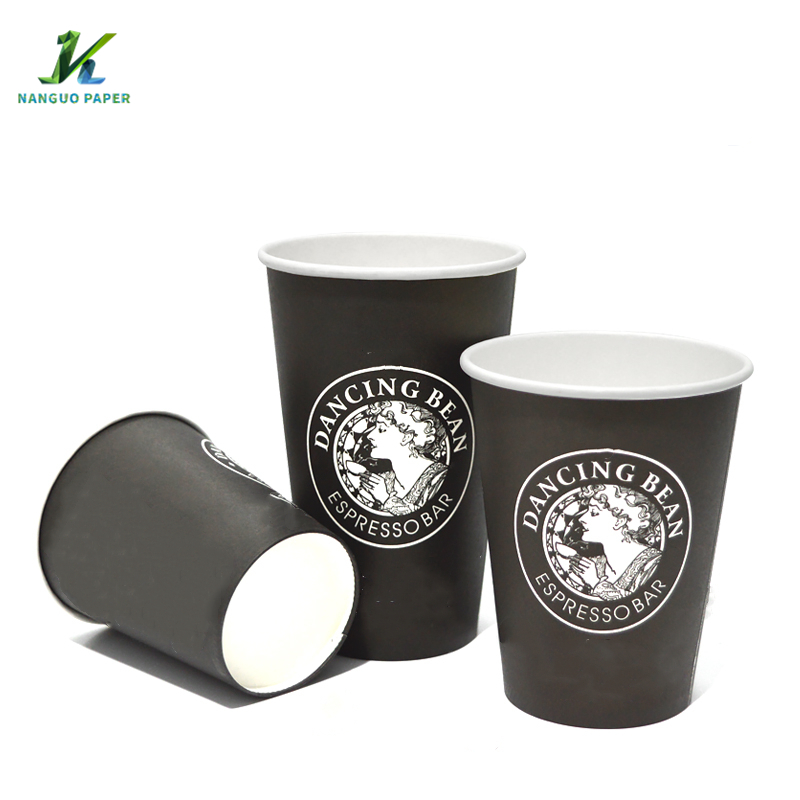
Secondly, the quality of bagasse paper and cardboard is not inferior to traditional paper. We can use bagasse to manufacture a variety of high-grade cultural and household papers, such as coated base paper, copy paper, double-gummed paper, napkins and so on. These products meet consumer needs in terms of quality and sustainability, while reducing dependence on natural resources. Sugarcane Based Paper, Nature Friendly Packaging , Sustainable Clothes Packaging , Small Eco Friendly Packaging ,Cup Based Paper . Under the guidance of the dual-carbon goal, the cosmetics industry is actively promoting the green and low-carbon transformation of product packaging and guiding consumers to green consumption. In order to achieve sustainable development, companies can choose plastic-free and tree-free packaging materials that can be composted and degraded, such as sugarcane pulp wrapping paper made from bagasse, which is in line with the current concept of environmental protection. This plastic-free and tree-free green packaging material not only strengthens consumers' awareness of environmental protection, but also achieves 100% recyclability of the box, enhancing the goodwill of the product in the market. The product will supply to all over the world, such as Europe, America, Australia,Nepal, Albania,Bangladesh, Iran.From the based paper to the packaging of paper cups, mainly through the following processes: 1, PE film: that is, the based paper (white paper) with a film machine with PE film, film one side of the paper is called single-sided PE film paper: both sides of the film is called double-sided PE film paper.2、Slitting:Use the slitting machine to slit the coated paper into rectangular pieces (for the wall of the cup) and (for the bottom of the cup) rolls of simple paper.3, printing: letterpress printing machine in the rectangular sheet of paper with a variety of designs4, die-cutting: with a flat creasing and cutting machine (commonly known as die-cutting machine) will be printed on the graphics of the paper into a fan-shaped piece of paper cups used for cutting5, molding: only need the operator will fan-shaped paper cups and cup bottom rolls of paper to the paper cup molding machine feeding mouth, paper cup molding machine automatic paper feeding, sealing, punching the bottom of the operation can be automatically molded into a variety of sizes you need.The paper cup molding machine automatically feeds the paper, seals the paper, punches the bottom and so on, and then automatically molds the paper cups of various specifications you need. The whole process can be easily operated by one person.6、Packaging:the good paper cups sealed in plastic bags, and then packaged into cartons.
Related Products



Top Selling Products
- Related Blog
- Reviews
