
To-Go Food Box - Manufacturers, Factory, Suppliers from China
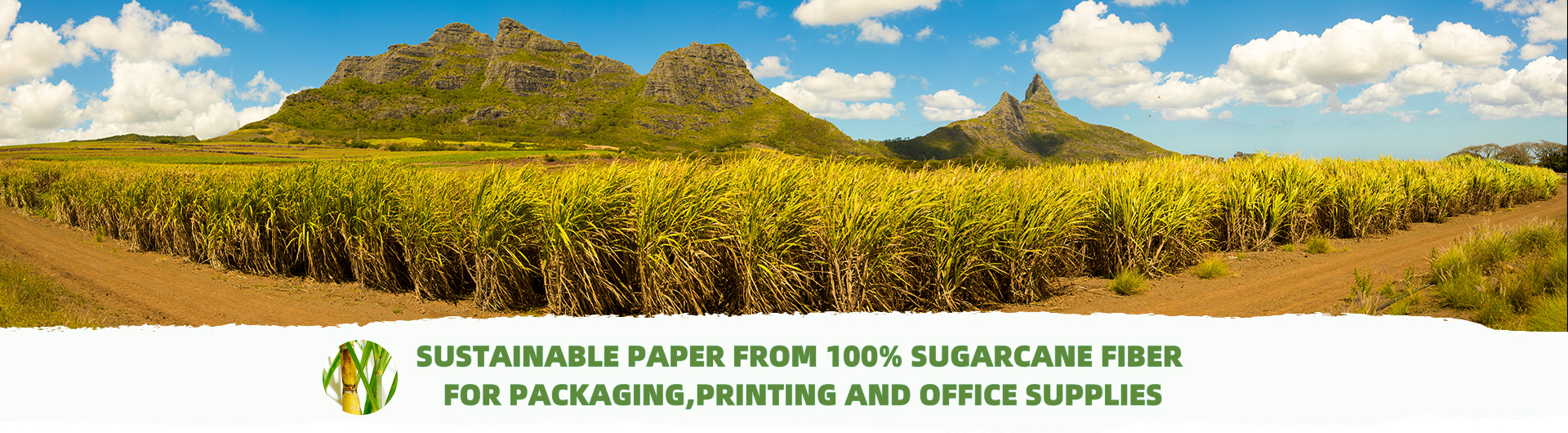
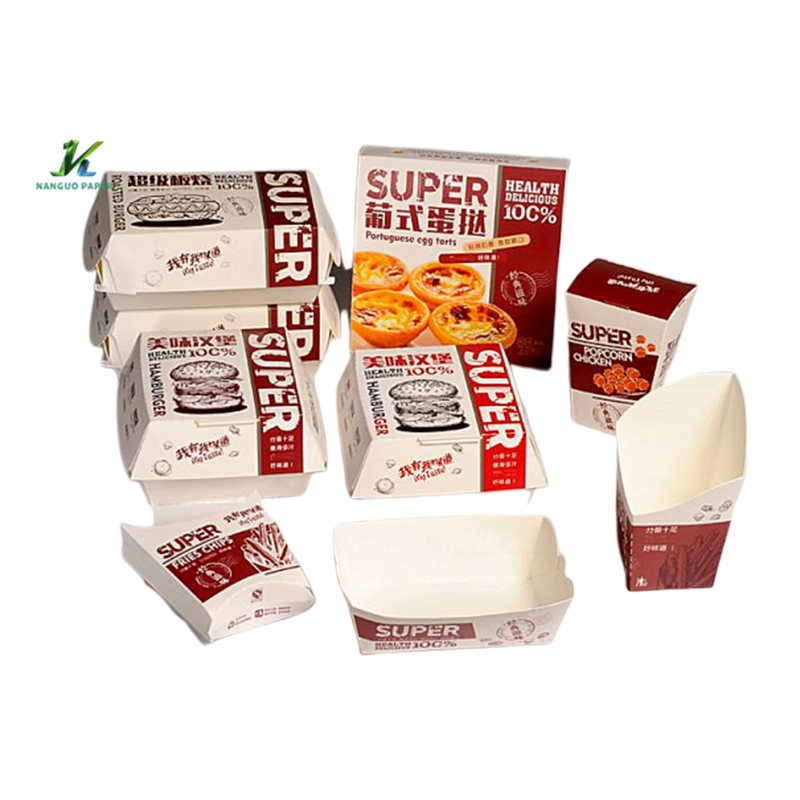
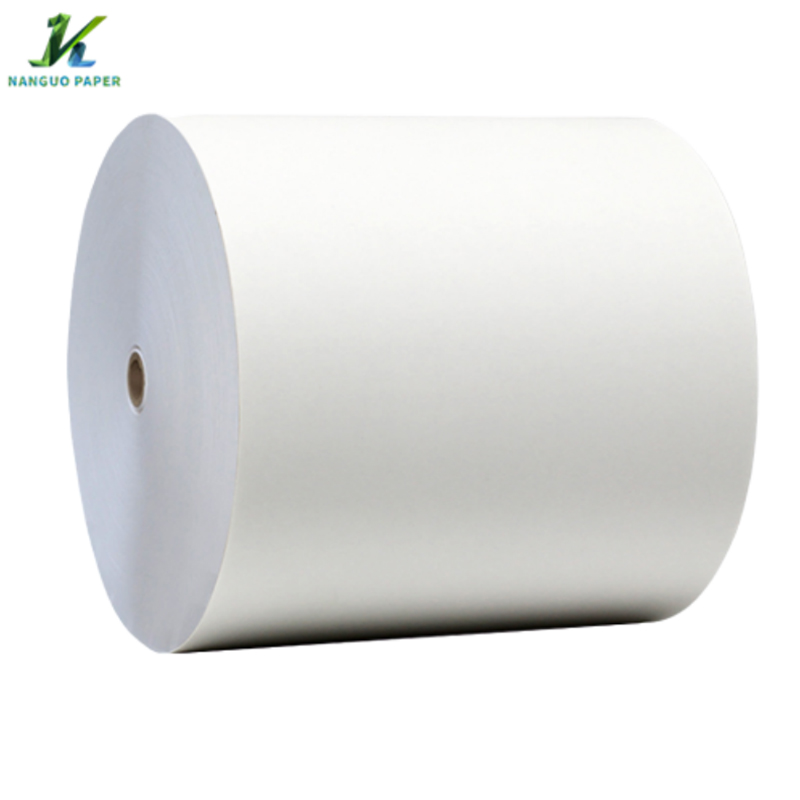
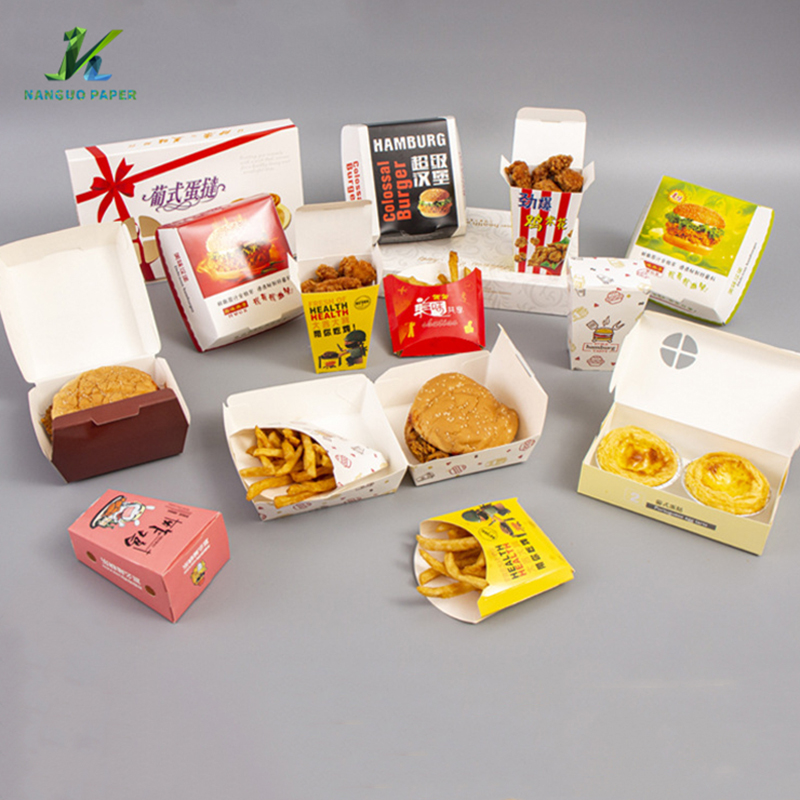
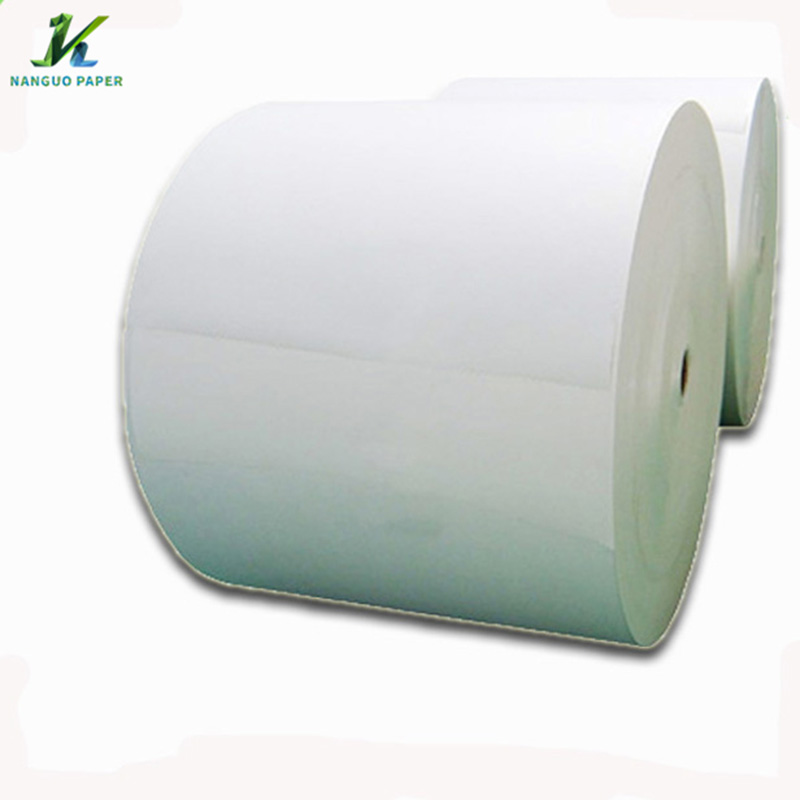
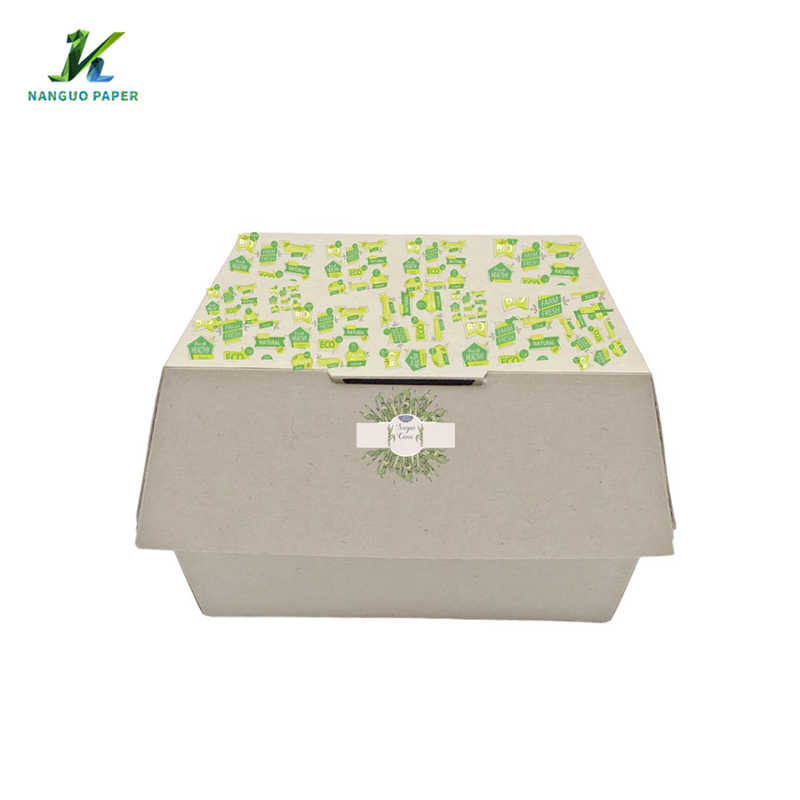
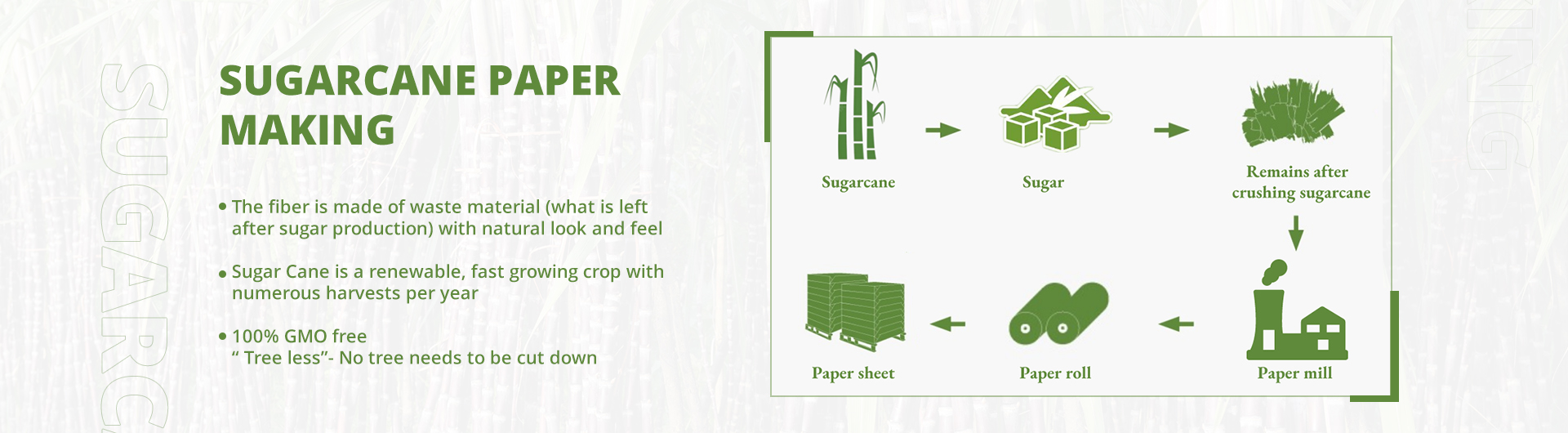
Overall, using paper made from bagasse is a sustainable solution that not only reduces dependence on forests, but also offers a wide range of uses. By choosing to use sugarcane paper, companies can realize economic benefits while protecting the environment. Against the current backdrop of increasing calls for environmental protection around the world, adopting this sustainable paper manufacturing solution will be one of the key strategies for sustainable business development. To-Go Food Box, Coffee Sustainable Packaging , Eco Friendly Toy Packaging , Biodegrabable Disposable Hamburger Box ,Food Packaging Environmentally Friendly . Another commonly used material is kraft paper, known for its high breakage resistance and toughness. Kraft paper is one of the more used paper bag materials in the market. Recently, Southland Paper has introduced a kraft paper made primarily from bagasse. This new material also has high tensile strength and toughness and is the best choice for sustainable packaging. Compared to packaging materials such as plastic bags, paper bags are made from natural materials, which are renewable.In the current social atmosphere of increasing attention to environmental protection, the use of sustainable packaging materials can enhance the environmental image of enterprises.As a representative of green packaging materials, the use of paper bags can not only meet the needs of people's lives, but also effectively publicize the enterprise's environmental protection concept, improve the enterprise's social image and brand value. As people's awareness of environmental protection increases, more and more companies are beginning to advocate the use of sustainable packaging materials, and paper bags are the best embodiment of this concept. Through the use of paper bags, enterprises can demonstrate their sense of environmental responsibility and win the recognition and trust of consumers. At the same time, the use of paper bags can also stimulate the environmental awareness of consumers, prompting them to pay more attention to environmental protection, forming a good environmental cycle. The product will supply to all over the world, such as Europe, America, Australia,Turkey, Hungary,Belize, Guatemala.With the popularity of food and drink takeaways, the choice of takeaway packaging has become crucial. Traditional plastic packaging causes serious pollution to the environment, so it has become particularly important to find a sustainable packaging material. In this regard, sugarcane pulp paper, as an environmentally friendly alternative, is gradually emerging in the field of food and beverage takeaway packaging. In this paper, we will discuss the development trend of F&B takeaway packaging and explore the combination of sugarcane pulp paper with it to provide new ideas for the selection of environmentally friendly F&B takeaway packaging.Development Trend 1: Increased Demand for Biodegradable Packaging
Related Products

Top Selling Products

- Related Blog
- Reviews
